Understanding TMJ Pain
and restoring comfortable function
TMJ disorders (jaw pain, locked jaw, and even migraines) often develop from multiple factors rather than a single cause. If left untreated, symptoms may worsen over time and lead to joint damage.
For cases linked to teeth grinding, clenching, or bite misalignment, we believe we can help.
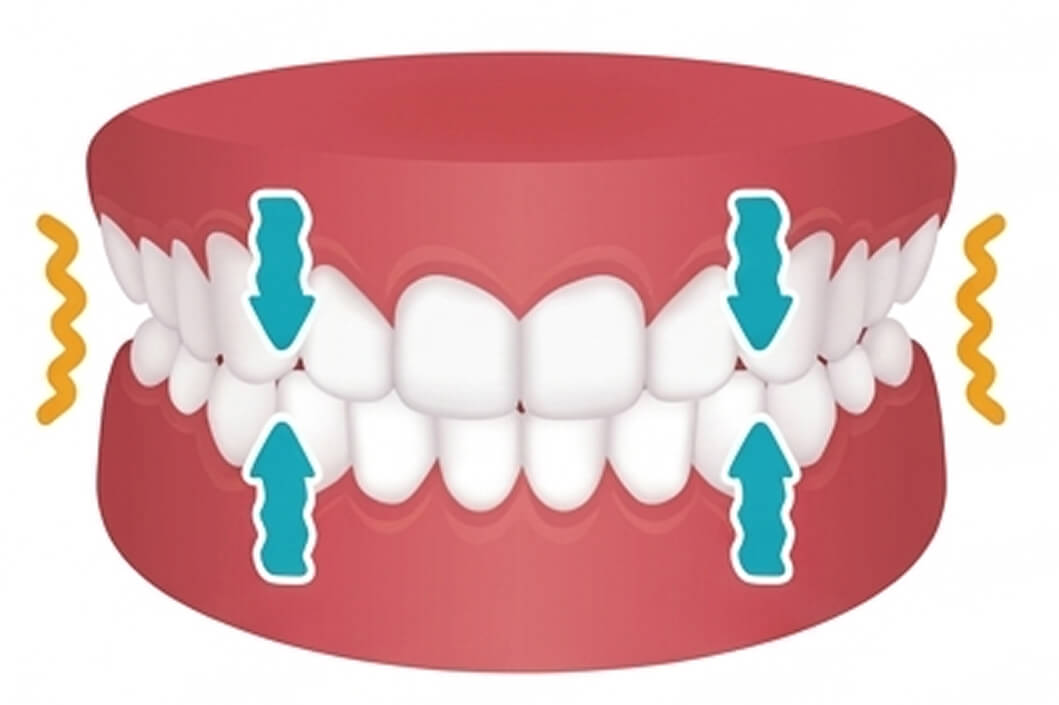
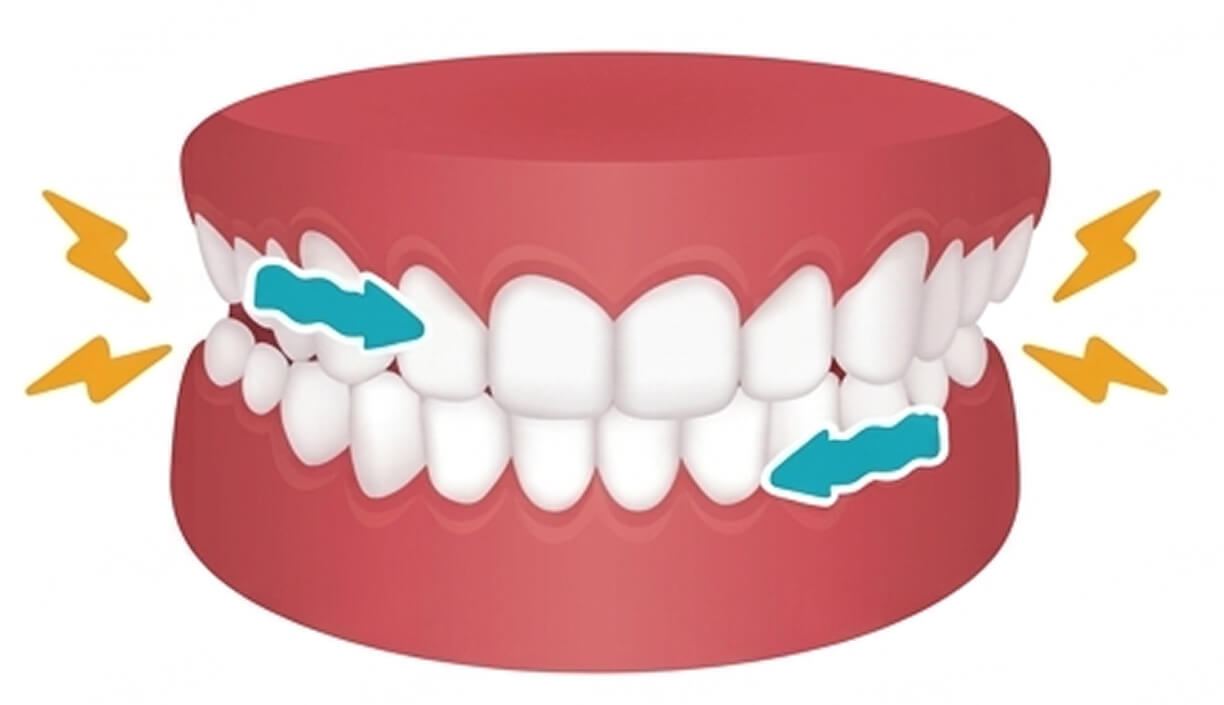
• Worn-down Teeth: Flattened chewing surfaces or loss of tooth enamel • Cracked tooth: One or multiple without obvious cause • Loud grinding during sleep: Often reported by a partner • Jaw / muscle soreness upon waking
Temporomandibular joint disorders (TMJ) problems can gradually worsen if left untreated.
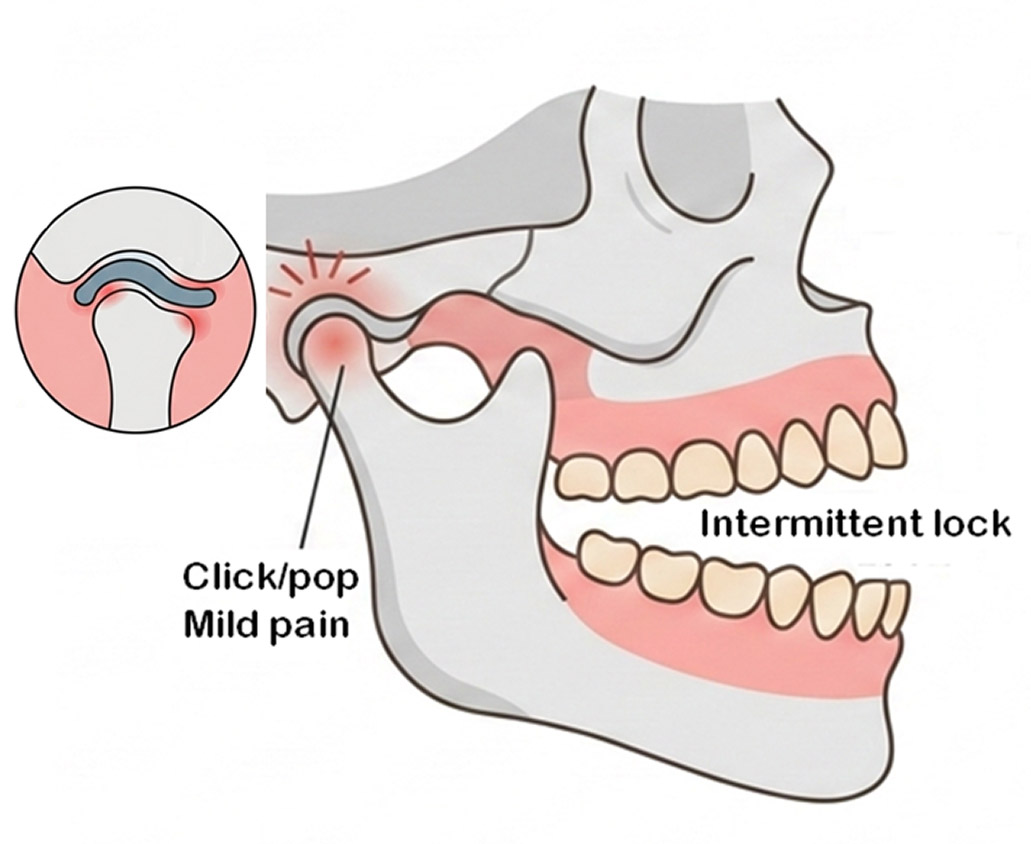
Early Stage
Often characterized by joint clicking, popping, or intermittent pain, often with jaw locking.
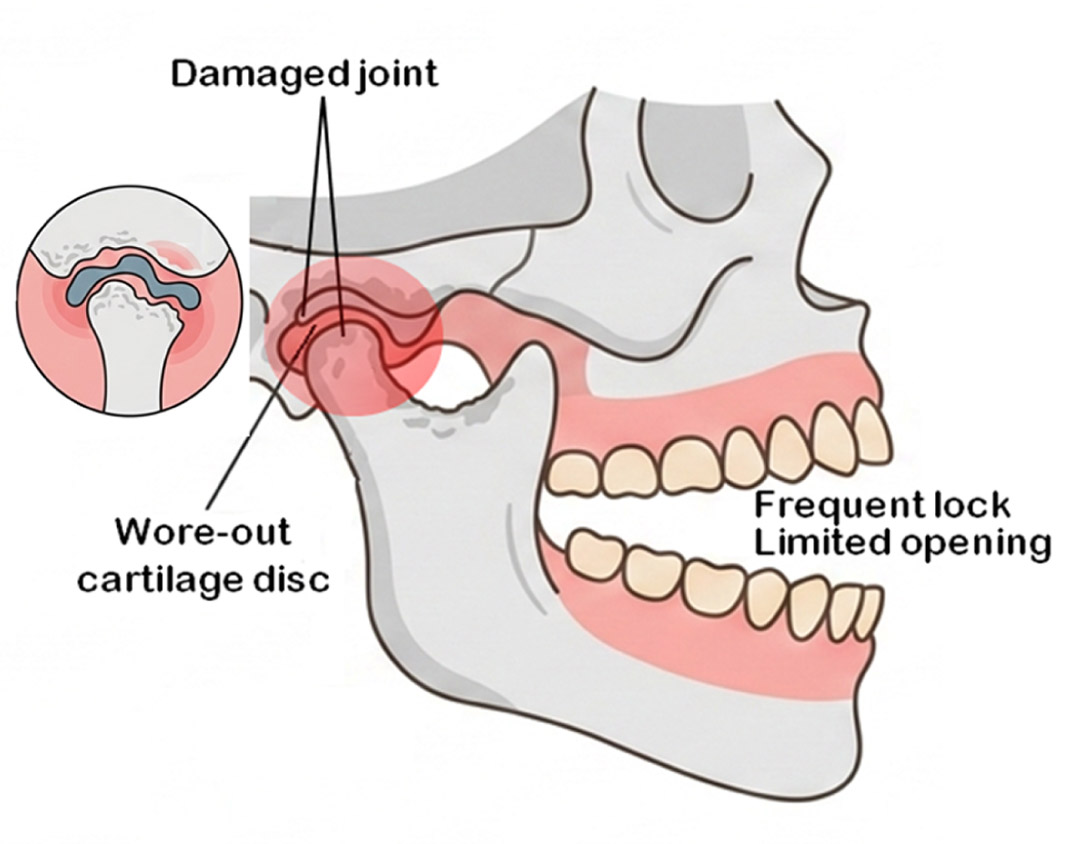
Advanced Stage
Chronic pain, severe restriction in jaw movement (closed lock), and imaging evidence of degenerative bone changes and disc deformity.
Types of TMJ (Jaw) Pain Treatment
at Kuo Dental
Here’s how we can help you feel better:
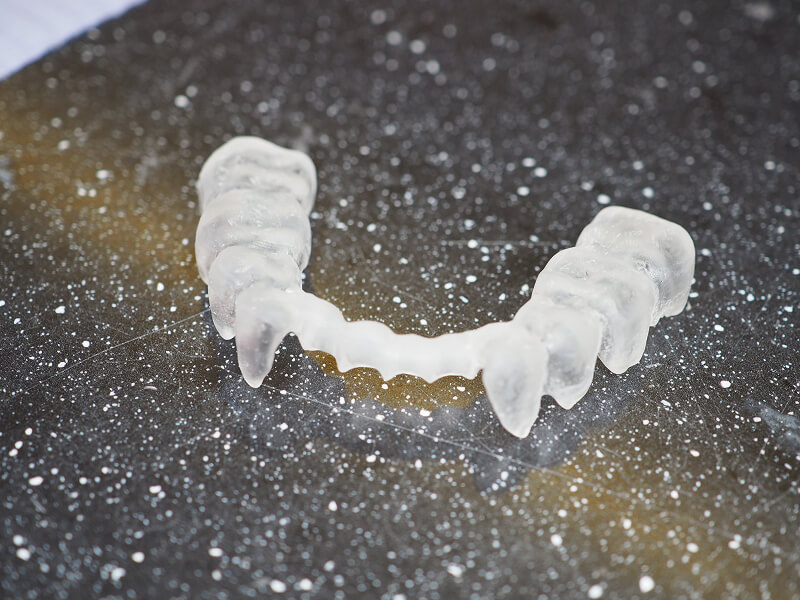
TMJ Deprogrammer Splint
For: Locked jaw
Function: Repositions the lower jaw into a more natural position to relax overactive jaw muscles.
Not to be confused with a Night Guard:
Night guards protect teeth but do not address the underlying jaw problem
Night guards are generally bulkier and can cause more muscle tension
Note: Night guards protect your teeth from damage, but they don’t stop the grinding or clenching itself. You’ll likely still wake up with a sore jaw. So it is more suitable for people that grinds but have no TMJ issues.

Clear Aligners
1 new aligner every week, prettier by the week
For: Jaw or bite misalignment that stresses your TMJ
Function: Aligns your teeth and jaws to relieve pressure on the joint and reduce pain.
Note: Metal braces are less recommended as clear aligners are generally better at correcting these issues.
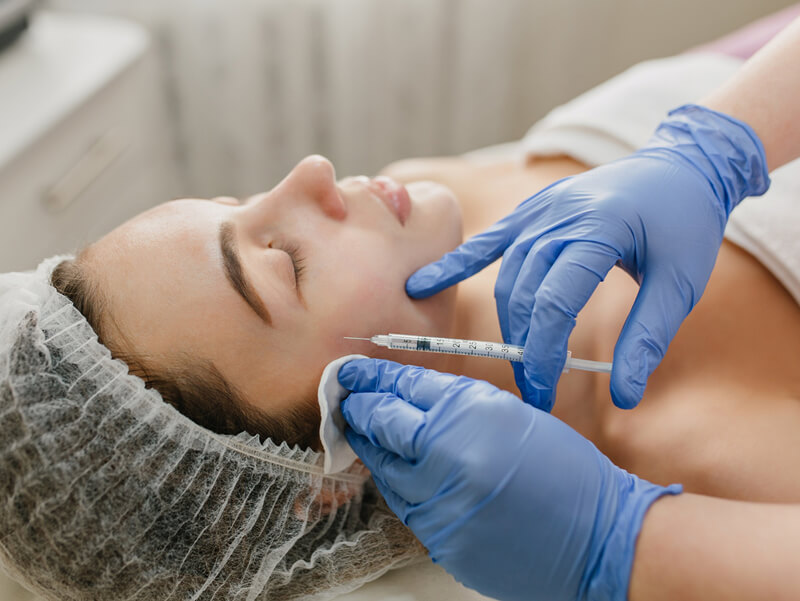
Botox
For: Bruxism (teeth clenching/grinding) or TMJ-related tension headaches
Function: Relaxes the chewing muscles to prevent involuntary clenching or grinding.
What to expect:
Single visit: 15–30 minutes
Recovery: Often called a “lunchtime treatment” with virtually no downtime
Effect: Peaks around 2–4 weeks and lasts 3–6 months
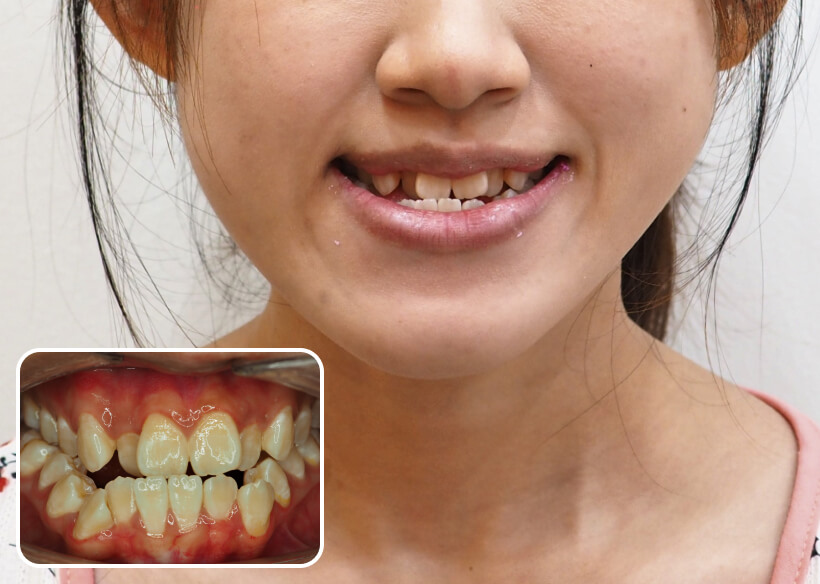
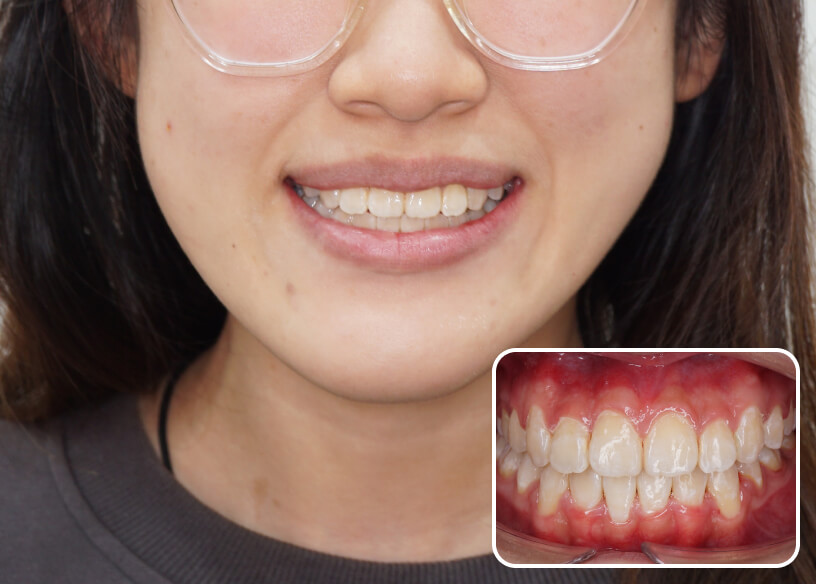
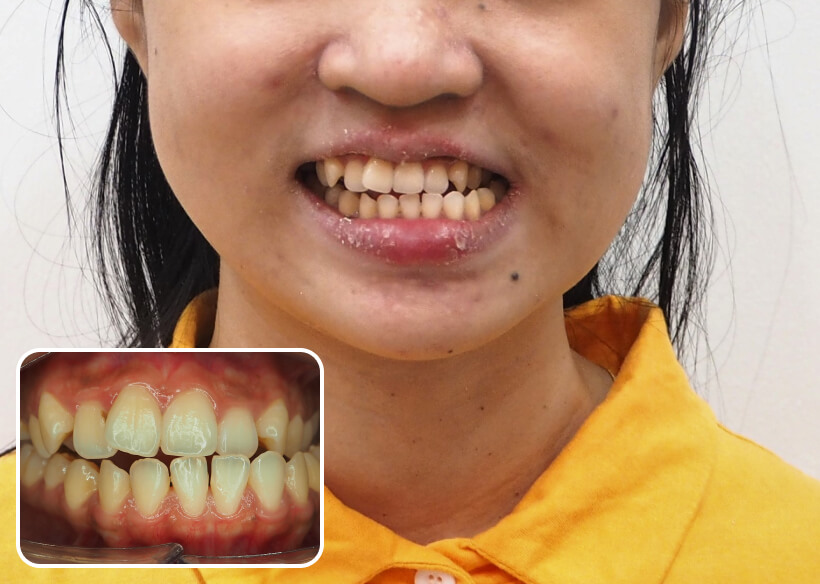
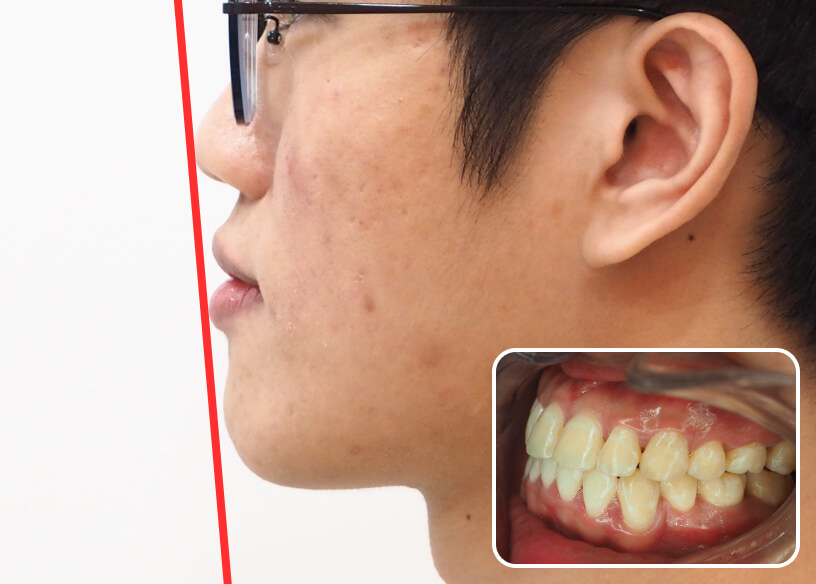
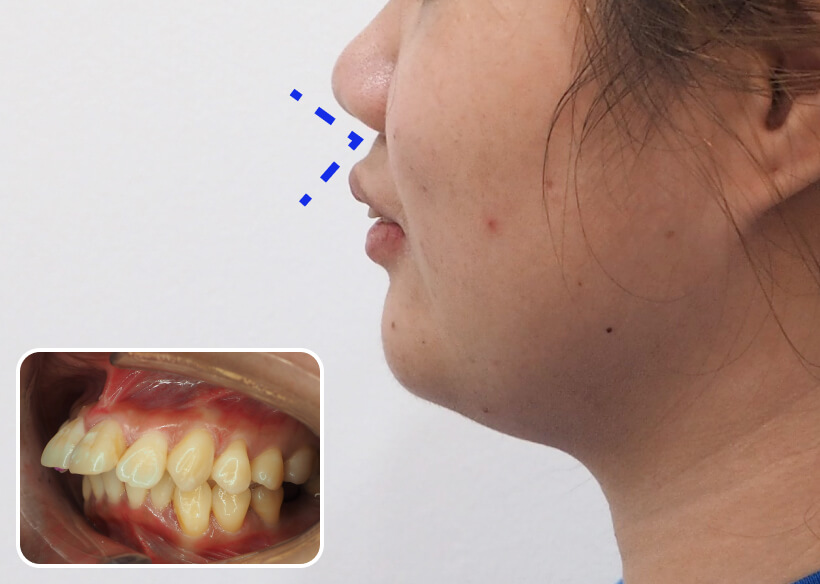
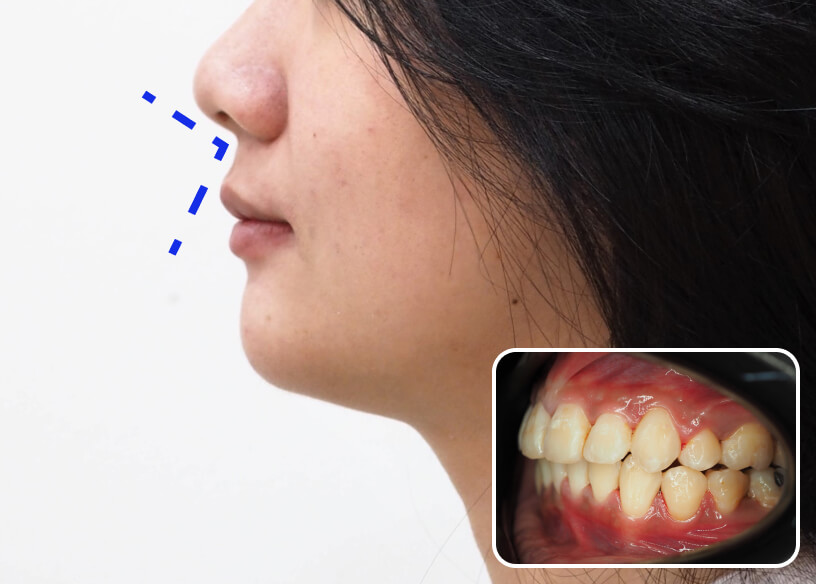
Real Patient Outcome
Actual patient results. Individual outcomes may vary.
Before
After
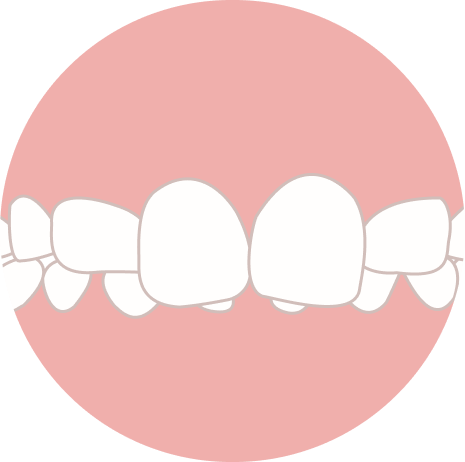
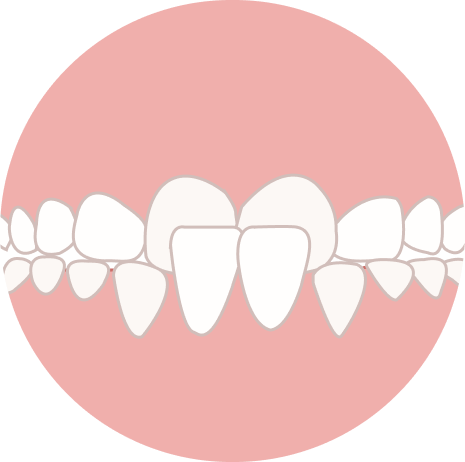
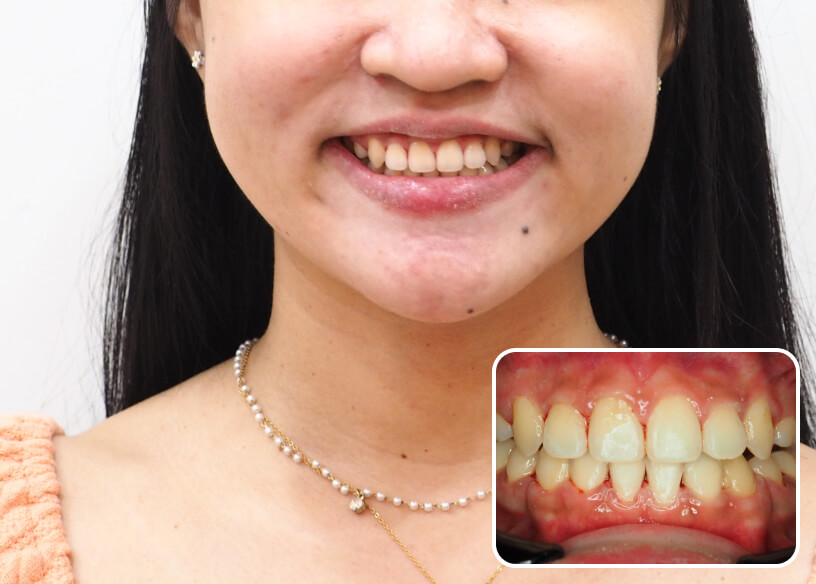
Cross-bite Correction
Before
After
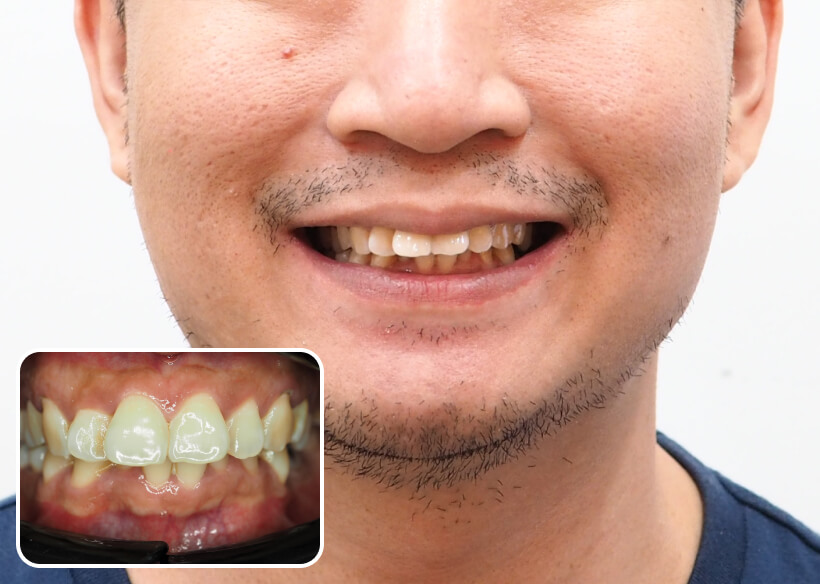
Cross-bite Correction
Before
After
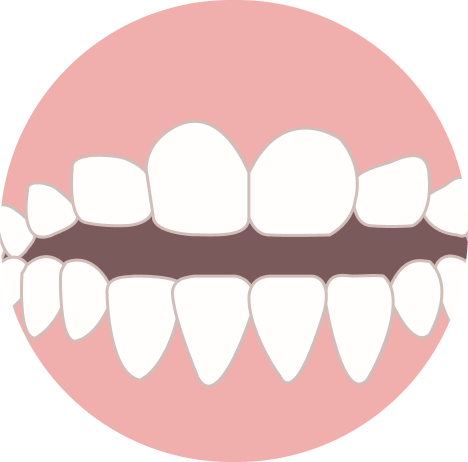
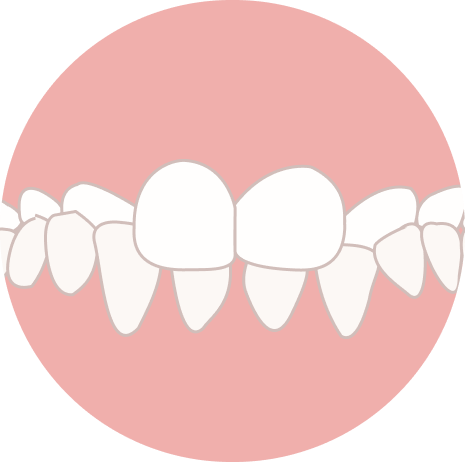
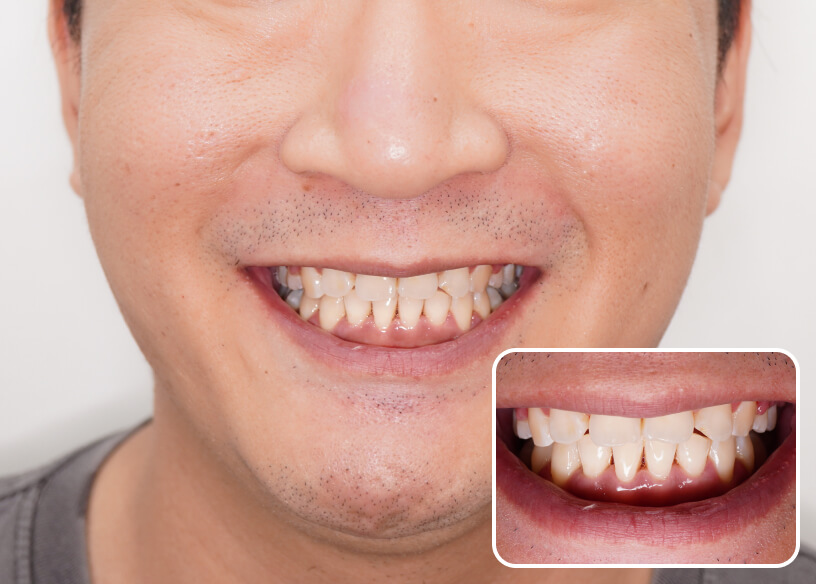
Deep Bite Correction
Before
After
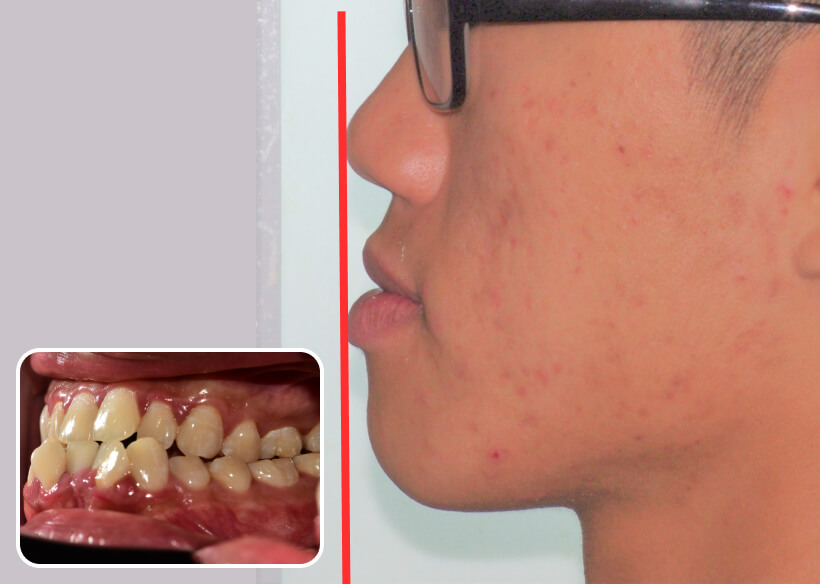
Reverse Bite (front) Correction
Before
After
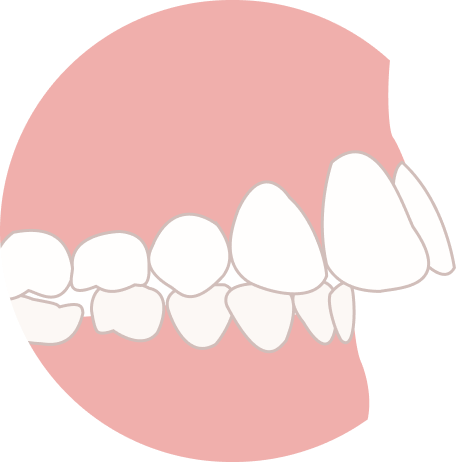
Over-jet Correction
Join Our 1000+ Happy Clients
Our team is ready to guide you through the entire process.
            Trustindex verifies that the original source of the review is Google. dentist very nice, scaling no pain, and super clean.    Posted on Google          CHENG CHUN          Trustindex verifies that the original source of the review is Google. Good service! Recommended.    Posted on Google          Tan Chun Khuen          Trustindex verifies that the original source of the review is Google. 👍 service, nice and friendly staff, clean environment, good and clear explanation from Dr Kuo, recommended 😊    Posted on Google          Teo Hwei Hsia          Trustindex verifies that the original source of the review is Google. Friendly and trustworthy dental services by Dr. Kuo (Kuo Dental).
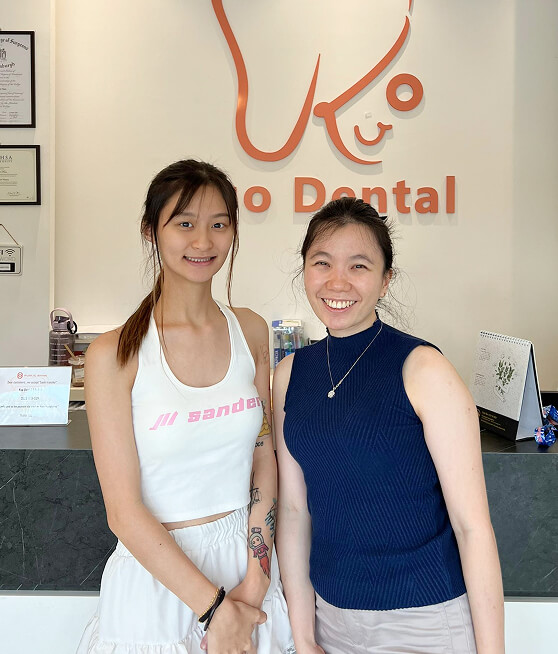
My Son-Xander is confident with his gorgeous smile in front of the world now.

Thank you. Dr. Kuo. No regret having the first trial on your dental services for my son.    Posted on Google          S Guy          Trustindex verifies that the original source of the review is Google. terbaik servis.. doc kew yg baik    Posted on Google          Injet Putih          Trustindex verifies that the original source of the review is Google. everyone is nice here, treatment also 10/10.    Posted on Google          cherr yeenne
Your TMJ (Jaw) Pain Management
Journey with Kuo Dental
1
Initial TMJ Consultation & Assessment
We begin with a thorough evaluation of your jaw, bite, and facial muscles. This includes reviewing your symptoms, jaw movement, and any contributing habits like clenching or grinding.
2
Diagnosis
Once we understand the cause of your TMJ pain, we explain what’s happening in simple terms, so you know why you’re in pain and what’s causing it.
3
Management Plan
No two TMJ cases are the same. Your management plan may include a custom TMJ deprogrammer splint, bite correction, Botox therapy, or lifestyle.
4
Active Pain Management & Jaw Stabilisation
Management focuses on reducing pain, inflammation, and muscle tension while improving jaw function.
5
Monitoring & Follow-Up Care
We track your progress closely and fine-tune your management as needed to ensure long-term comfort and effectiveness.
6
Long-Term Management & Maintenance
Once symptoms improve, we help you prevent flare-ups with ongoing care, habit guidance, and maintenance strategies to protect your jaw health.
FAQs about TMJ (Jaw) Pain Management in Johor Bahru
Does jaw clicking always require treatment?
Clicking without pain may not require treatment, but evaluation is recommended if symptoms (pain, locked jaw or restricted mouth opening etc) develop.
How to diagnose TMJ?
TMJ is diagnosed through a dental or medical exam, reviewing symptoms, jaw movement, bite alignment, and sometimes imaging like X-rays, MRI, or CT scans.
Relief includes jaw rest, soft foods, heat or ice, anti-inflammatory medication.
Small habit changes can also reduce jaw strain, including:
Avoiding chewing gum
Limiting very hard foods
Practicing jaw relaxation
Managing stress-related clenching
What makes TMJ worse?
Teeth grinding, jaw clenching, stress, poor posture, chewing gum, hard foods, and untreated bite problems can worsen TMJ symptoms.
Can TMJ disorder be cured?
Some cases improve or resolve with conservative treatment (Botox for muscle knots or bite adjustments via a TMJ deprogrammer splint or clear aligners), but some are chronic and managed rather than permanently cured.
For more details, visit our dental clinic in Johor Bahru for a consultation! WhatsApp now
How long does it take to see improvement in TMJ pain with braces/botox/night guard?
TMJ deprogrammer splint: improvement in weeks to a few months
Botox: improvement in 1-2 weeks, lasts 3-6 months
Braces: improvement over months to 1-2 years, depending on severity